- Home
- Tutorial
- Resource Guides
- Focus Areas
- LSF Programs
-
Professional
Development - Review Process
-
A project of LSF

Search for Resources
Description
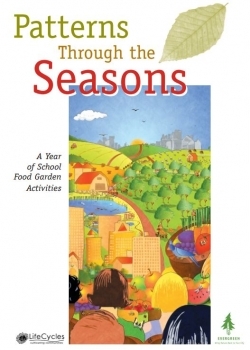
This unit/module is designed as a curriculum resource for teachers who want to use a school food garden as an "outdoor classroom" where students can experience hands-on learning in many areas of the curriculum. This unit will provide year round learning activities related to growing and maintaining a school food garden, with many related learning outcomes relevant to science, social studies and health for a wide range of age groups. Each learning activity follows a similar structure which includes title, grade level suitability, introduction, materials, procedure and extensions.
General Assessment
What skills does this resource explicitly teach?
This resource explicitly teaches the following skills:
- observation and identification of plants
- planting, nurturing and harvesting plants
- using plants to maintain a healthy body
- using plants to decrease erosion, pollution, carbon emissions etc.
Strengths
This resource has many strengths. It is:
- up-to-date
- thorough, both for the teacher and the student
- easily accessible on the internet
- clear in its delineation of many of the curricula connections
- authentic and provides many activities that are extensions to the actual gardening activities, such as a research project on all the places our apples come from, creating a "greenhouse" in a bottle, gaining appreciation for heirloom plants, composting, etc.
Weaknesses
The weaknesses in this resource are not abundant but the following can be seen possible issues:
- there are very few assessment tools included in the resource.
- the resource is extremely lengthy which makes it unwieldy when working with only a specific group of students.
Relevant Curriculum Units
The following tool will allow you to explore the relevant curriculum matches for this resource. To start, select a province listed below.
- Step 1Select a province
- Alberta
- Step 2Select a grade level
- Kindergarten
- Step 3Select a subject
- Science
- Step 4Relevant matches
- Earth Systems: Understandings of the living world, Earth, and space are deepened by investigating natural systems and their interactions.
- Grade 1
- Step 3Select a subject
- Physical Education & Health
- Step 4Relevant matches
- Healthy Eating: A lifetime of optimal well-being and physical wellness is supported by prioritizing nutrition and healthy eating.
- Science
- Step 4Relevant matches
- Earth Systems: Understandings of the living world, Earth, and space are deepened by investigating natural systems and their interactions.
- Grade 2
- Step 3Select a subject
- Physical Education & Health
- Step 4Relevant matches
- Healthy Eating: A lifetime of optimal well-being and physical wellness is supported by prioritizing nutrition and healthy eating
- Science
- Step 4Relevant matches
- Earth Systems: Understandings of the living world, Earth, and space are deepened by investigating natural systems and their interactions.
- Grade 3
- Step 3Select a subject
- Physical Education & Health
- Step 4Relevant matches
- Healthy Eating: A lifetime of optimal well-being and physical wellness is supported by prioritizing nutrition and healthy eating
- Science
- Step 4Relevant matches
- Earth Systems: Understandings of the living world, Earth, and space are deepened by investigating natural systems and their interactions
- Grade 4
- Step 3Select a subject
- Physical Education & Health
- Step 4Relevant matches
- Healthy Eating: A lifetime of optimal well-being and physical wellness is supported by prioritizing nutrition and healthy eating
- Science
- Step 4Relevant matches
- Earth Systems: Understandings of the living world, Earth, and space are deepened through investigating natural systems and their interactions.
- Grade 5
- Step 3Select a subject
- Physical Education & Health
- Step 4Relevant matches
- Healthy Eating: A lifetime of optimal well-being and physical wellness is supported by prioritizing nutrition and healthy eating
- Science
- Step 4Relevant matches
- Earth Systems: Understandings of the living world, Earth, and space are deepened by investigating natural systems and their interactions.
- British Columbia
- Step 2Select a grade level
- Kindergarten
- Step 3Select a subject
- Science
- Step 4Relevant matches
- Science: Plants and animals have observable features
- Grade 3
- Step 3Select a subject
- Science
- Step 4Relevant matches
- Science 3: Living things are diverse, can be grouped, and interact in their ecosystems
- Grade 4
- Step 3Select a subject
- Science
- Step 4Relevant matches
- Science 4: All living things sense and respond to their environment
- Grade 6
- Step 3Select a subject
- Physical Education & Health
- Step 4Relevant matches
- Physical and Health Education: Healthy choices influence our physical, emotional, and mental well-being
- Manitoba
- Step 2Select a grade level
- Kindergarten
- Step 3Select a subject
- Science
- Step 4Relevant matches
- Life Science
- Grade 1
- Step 3Select a subject
- Science
- Step 4Relevant matches
- Characteristics and Needs of Living Things
- Space
- Social Studies
- Step 4Relevant matches
- My Environment
- Grade 2
- Step 3Select a subject
- Science
- Step 4Relevant matches
- Air and Water in the Environment
- Social Studies
- Step 4Relevant matches
- Our Local Community
- Grade 3
- Step 3Select a subject
- Science
- Step 4Relevant matches
- Growth and Changes in Plants
- Life Science
- Soils in the Environment
- Grade 4
- Step 3Select a subject
- Science
- Step 4Relevant matches
- Habitat and Communities
- Life Systems
- Rocks, Minerals, and Erosion
- Grade 5
- Step 3Select a subject
- Science
- Step 4Relevant matches
- Maintaining a Healthy Body
- New Brunswick
- Step 2Select a grade level
- Kindergarten
- Step 3Select a subject
- Science
- Step 4Relevant matches
- Explore Your World: Play and Playfulness
- Grade 2
- Step 3Select a subject
- Science
- Step 4Relevant matches
- Explore Your World: Play and Playfulness
- Grade 3
- Step 3Select a subject
- Science
- Step 4Relevant matches
- Our Local Environment : Scientific Literacy
- Grade 4
- Step 3Select a subject
- Science
- Step 4Relevant matches
- Properties and Uses of Earth Materials: Scientific Literacy
- Newfoundland & Labrador
- Northwest Territories
- Step 2Select a grade level
- Kindergarten
- Step 3Select a subject
- Science
- Step 4Relevant matches
- Science: Plants and animals have observable features
- Grade 1
- Step 3Select a subject
- Health Education
- Step 4Relevant matches
- Nutrition
- Grade 3
- Step 3Select a subject
- Science
- Step 4Relevant matches
- Science 3:Plants and Animals are diverse, can be grouped, and interact in their ecosystems
- Grade 4
- Step 3Select a subject
- Science
- Step 4Relevant matches
- Science 4: All living things sense and respond to their environment
- Nova Scotia
- Step 2Select a grade level
- Kindergarten
- Step 3Select a subject
- Science
- Step 4Relevant matches
- Primary Science: Living Things
- Grade 3
- Step 3Select a subject
- Science
- Step 4Relevant matches
- Science 3: Plants
- Grade 4
- Step 3Select a subject
- Nunavut
- Ontario
- Step 2Select a grade level
- Grade 1
- Step 3Select a subject
- Social Studies
- Step 4Relevant matches
- People and Environments: The Elements of the Local Community
- Grade 3
- Step 3Select a subject
- Science & Technology
- Step 4Relevant matches
- Earth and Space Systems: Soils in the Environment
- Grade 4
- Step 3Select a subject
- Science & Technology
- Step 4Relevant matches
- Life Systems: Habitats and Communities
- Prince Edward Island
- Step 2Select a grade level
- Kindergarten
- Step 3Select a subject
- Science
- Step 4Relevant matches
- Exploring the World Using Our Senses
- Grade 3
- Step 3Select a subject
- Science
- Step 4Relevant matches
- Plant Growth & Changes
- Quebec
- Step 2Select a grade level
- Grade 1
- Step 3Select a subject
- Science & Technology
- Step 4Relevant matches
- Living things
- Grade 2
- Step 3Select a subject
- Science & Technology
- Step 4Relevant matches
- Living things
- Grade 6
- Step 3Select a subject
- Science & Technology
- Step 4Relevant matches
- Living Things
- Saskatchewan
- Step 2Select a grade level
- Grade 1
- Step 3Select a subject
- Science
- Step 4Relevant matches
- Needs & Characteristics of Living Things
- Grade 2
- Step 3Select a subject
- Health Education
- Step 4Relevant matches
- Discovering Connections Between Self and Wellness: Action Planning
- Discovering Connections Between Self and Wellness: Decision Making
- Discovering Connections Between Self and Wellness: Understanding,Skills and Confidence
- Grade 3
- Step 3Select a subject
- Science
- Step 4Relevant matches
- Plant Growth and Changes
- Yukon Territory
- Step 2Select a grade level
- Kindergarten
- Step 3Select a subject
- Science
- Step 4Relevant matches
- Science: Plants and animals have observable features
- Grade 3
- Step 3Select a subject
- Science
- Step 4Relevant matches
- Science 3: Living things are diverse, can be grouped, and interact in their ecosystems
- Grade 4
- Step 3Select a subject
- Science
- Step 4Relevant matches
- Science 4: All living things sense and respond to their environment
- Grade 6
- Step 3Select a subject
- Physical Education & Health
- Step 4Relevant matches
- Physical and Health Education: Healthy choices influence our physical, emotional, and mental well-being
- Grade 7
- Step 3Select a subject
- Physical Education & Health
- Step 4Relevant matches
- Physical and Health Education: Healthy choices influence our physical, emotional, and mental well-being
Themes Addressed
Food & Agriculture (2)
- Local Food
- Organic Farming
Land Use & Natural Resources (2)
- Habitat Restoration
- Planting Native Species
Sustainability Education Principles
| Principle | Rating | Explanation |
|---|---|---|
| Consideration of Alternative Perspectives | Very Good | The purpose of this resource is to help teachers make the best possible use of school food gardens, helping to make this important resource into a learning garden for the benefit of students, staff and the school community. |
Consideration of Alternative Perspectives:
| ||
| Multiple Dimensions of Problems & Solutions | Very Good | The resource activities addresses all three dimensions. It strongly focuses on environmental learning through seasonal cycles, gardening, and local food systems. The social dimension is also present through collaborative, place-based learning and shared exploration of food and community connections. The economic dimension is included,through general concepts such as comparing local and imported food. |
| Multiple Dimensions of Problems & Solutions: Effectively addresses the environmental, economic and social dimensions of the issue(s) being explored.
| ||
| Respects Complexity | Good | The resource shows some complexity by connecting seasonal change, gardening, and food systems to real-world experiences in a place-based way. |
| Respects Complexity: The complexity of the problems/issues being discussed is respected. | ||
| Acting on Learning | Very Good | The learning is action-oriented through hands-on, place-based activities involving gardening, growing food, and caring for a school or community garden. Students are actively maintaining a living system and engaging with sustainable food practices. |
| Acting on Learning: Learning moves from understanding issues to working towards positive change — in personal lifestyle, in school, in the community, or for the planet
| ||
| Values Education | Good | Students keep a garden journal which allows them to reflect on their gardening experiences. |
| Values Education: Students are explicitly provided with opportunities to identify, clarify and express their own beliefs/values. | ||
| Empathy & Respect for Humans | Poor/Not considered | Not considered in this resource. |
| Empathy & Respect for Humans: Empathy and respect are fostered for diverse groups of humans (including different genders, ethnic groups, sexual preferences, etc.). | ||
| Personal Affinity with Earth | Very Good | Students learn about the principles of organic gardening, the threats to native pollinators and the importance of eating food grown close to home |
| Personal Affinity with Earth: Encourages a personal affinity with -the natural world.
| ||
| Locally-Focused Learning | Very Good | The garden activity is place-based, hands-on learning in a school or community garden setting where students observe and work with seasonal changes in their immediate environment. It encourages students to connect directly with local growing conditions, weather patterns, and food production, often using their own school grounds as the learning site. |
| Locally-Focused Learning: Includes learning experiences that take advantage of issues/elements within the local community.
| ||
| Past, Present & Future | Good | This unit contains information regarding heirloom plants. It provides an interesting way in which students are able to appreciate how plants use to be preserved (through seeds, etc.) in the past. It also discusses how we are able to use this information to make better choices for seeds in relation to where they come from in the present and how to maintain them into the future. |
| Past, Present & Future: Promotes an understanding of the past, a sense of the present, and a positive vision for the future. | ||
Pedagogical Approaches
| Principle | Rating | Explanation |
|---|---|---|
| Open-Ended Instruction | Very Good | The resource encourages student inquiry, observation, and exploration in outdoor, hands-on activities, especially through gardening and noticing seasonal patterns. Students often generate their own questions, make observations, and learn through experience rather than following a single fixed answer. |
| Open-Ended Instruction
: Lessons are structured so that multiple/complex answers are possible; students are not steered toward one 'right' answer. | ||
| Integrated Learning | Very Good | This gardening activity touches on multiple learning outcomes. The resource list learning outcomes to be used as a starting point, leaving the teacher the flexibility to adapt activities to meet the specific learning needs of the students. |
| Integrated Learning: Learning brings together content and skills from more than one subject area
| ||
| Inquiry Learning | Very Good | The resource supports inquiry-based learning by encouraging students to ask questions and explore answers through hands-on experiences in the garden. Instead of being given all the information, students observe changes, make predictions, and investigate topics like plant growth, soil, and seasonal patterns. |
| Inquiry Learning: Learning is directed by questions, problems, or challenges that students work to address.
| ||
| Differentiated Instruction | Very Good | The range of activities suggested in this resource is diverse in terms of the learning needs of the students as well as different activities throughout the four seasons of the year. |
| Differentiated Instruction: Activities address a range of student learning styles, abilities and readiness.
| ||
| Experiential Learning | Very Good | The resource uses experiential learning by turning the school garden into a hands-on classroom. Students learn by doing, planting, observing, and caring for plants throughout the seasons instead of just reading about them. This helps them understand how nature works in a real and meaningful way. Through these activities, students build skills, make connections to the environment, and develop a sense of responsibility for the land. |
| Experiential Learning: Authentic learning experiences are provided
| ||
| Cooperative Learning | Good | Students often work in pairs or small groups to plant, observe, measure, and record changes in the garden over time. They also share observations, discuss seasonal patterns, and collaborate during inquiry activities and class discussions. |
| Cooperative Learning: Group and cooperative learning strategies are a priority.
| ||
| Assessment & Evaluation | Good | The journal writing task can be used as an assessment tool. |
| Assessment & Evaluation: Tools are provided that help students and teachers to capture formative and summative information about students' learning and performance. These tools may include reflection questions, checklists, rubrics, etc. | ||
| Peer Teaching | Good | Students share observations, explain what they notice in the garden, or discuss seasonal changes with classmates. |
| Peer Teaching: Provides opportunities for students to actively present their knowledge and skills to peers and/or act as teachers and mentors.
| ||
| Case Studies | Good | In the introduction, the resource does include brief examples of successful school gardens and their positive impacts on communities. These function like informal case studies, short, descriptive examples, showing how school garden projects can lead to benefits such as improved student engagement, stronger community connections, and increased environmental awareness. |
| Case Studies: Relevant case studies are included. Case studies are thorough descriptions of real events from real situations that students use to explore concepts in an authentic context. | ||
| Locus of Control | Very Good | Many of the activities conclude with a list of suggested extension activities that are |
| Locus of Control: Meaningful opportunities are provided for students to choose elements of program content, the medium in which they wish to work, and/or to go deeper into a chosen issue. | ||