- Home
- Tutorial
- Resource Guides
- Focus Areas
- LSF Programs
-
Professional
Development - Review Process
-
A project of LSF

Search for Resources
Description
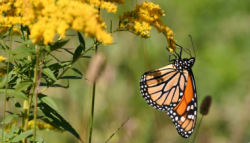
This lesson introduces students to life cycles and metamorphosis by exploring how frogs, dragonflies, and butterflies grow and change over time. This lesson deepens students' understanding of the similarities and differences in the life cycles of organisms.
Students will:
- Listen to a reading of Eric Carle's The Very Hungry Caterpillar or another picture book that highlights life cycles
- Watch a video to learn the developmental process of metamorphosis in frogs, dragon flies and butterflies
- Arrange the Life Stages Cards in the correct order to represent each animal’s life cycle
- Compare similarities and differences between these animals’ life cycles and the human life cycle
By the end of the lesson, students will understand that all living things grow and change, even though their life cycles may look different
General Assessment
Strengths
- this resource is age-appropriate for K-3
- clearly explains and visualizes the life cycles of multiple species
- includes a simple hands-on activity
- encourages observation, discussion and comparison supporting age appropriate inquiry learning
Weaknesses
- no assessment tools or rubrics provided
- the optional activities (butterfly larvae, fertilized chicken eggs) should be included in the lesson plan to enhance the learning
Recommendation of how and where to use it
This lesson plan is appropriate for K to 3 students with outcomes linked to science units such as habitats and animal growth and changes. To enhance the learning students can draw a life cycle diagram of another animal or insect or write a story about an animal’s life cycle or create a timeline showing developmental stages. For a hands-on experience, students could observe the development of chicks, butterflies, or frogs in the classroom, connecting the concepts of growth and change to real-life examples.
Relevant Curriculum Units
The following tool will allow you to explore the relevant curriculum matches for this resource. To start, select a province listed below.
- Step 1Select a province
- Alberta
- Step 2Select a grade level
- Grade 1
- Step 3Select a subject
- Science
- Step 4Relevant matches
- Living Systems: Understandings of the living world, Earth, and space are deepened by investigating natural systems and their interactions.
- Grade 2
- Step 3Select a subject
- Science
- Step 4Relevant matches
- Living Systems: Understandings of the living world, Earth, and space are deepened by investigating natural systems and their interactions
- Grade 3
- Step 3Select a subject
- Science
- Step 4Relevant matches
- Living Systems: Understandings of the living world, Earth, and space are deepened through investigating natural systems and their interactions
- British Columbia
- Step 2Select a grade level
- Kindergarten
- Step 3Select a subject
- Science
- Step 4Relevant matches
- Science: Daily and seasonal changes affect all living things.
- Science: Plants and animals have observable features
- Grade 1
- Step 3Select a subject
- Science
- Step 4Relevant matches
- Science 1: Living things have features and behaviours that help them survive in their environment
- Grade 2
- Step 3Select a subject
- Science
- Step 4Relevant matches
- Science 2: Living things have life cycles adapted to their environment
- Grade 3
- Step 3Select a subject
- Science
- Step 4Relevant matches
- Science 3: Living things are diverse, can be grouped, and interact in their ecosystems
- Manitoba
- Step 2Select a grade level
- Kindergarten
- Step 3Select a subject
- Science
- Step 4Relevant matches
- Life Science
- Grade 1
- Step 3Select a subject
- Science
- Step 4Relevant matches
- Characteristics and Needs of Living Things
- Life Systems
- Grade 2
- Step 3Select a subject
- Science
- Step 4Relevant matches
- Growth and Changes in Animals
- Grade 3
- Step 3Select a subject
- Science
- Step 4Relevant matches
- Life Science
- New Brunswick
- Step 2Select a grade level
- Kindergarten
- Step 3Select a subject
- Science
- Step 4Relevant matches
- Explore Your World: Diversity and Social Responsibility
- Grade 1
- Step 3Select a subject
- Science
- Step 4Relevant matches
- Explore Your World: Diversity and Social Responsibility
- Grade 2
- Step 3Select a subject
- Science
- Step 4Relevant matches
- Explore Your World: Diversity and Social Responsibility
- Newfoundland & Labrador
- Step 2Select a grade level
- Kindergarten
- Step 3Select a subject
- Science
- Step 4Relevant matches
- Exploring Our World: STSE and Knowledge
- Grade 1
- Step 3Select a subject
- Science
- Step 4Relevant matches
- Needs and Characteristics of Living Things
- Grade 2
- Step 3Select a subject
- Science
- Step 4Relevant matches
- Animal Growth and Changes
- Northwest Territories
- Step 2Select a grade level
- Kindergarten
- Step 3Select a subject
- Science
- Step 4Relevant matches
- Science: Daily and seasonal changes affect all living things.
- Science: Plants and animals have observable features
- Grade 1
- Step 3Select a subject
- Science
- Step 4Relevant matches
- Life Systems: Characteristics and Needs of Living Things
- Science 1: Plants and animals have features and behaviours that help them survive in their environment
- Grade 2
- Step 3Select a subject
- Science
- Step 4Relevant matches
- Life Science: Growth and Changes in Animals
- Science 2: Plants and animals have life cycles adapted to their environment
- Grade 3
- Step 3Select a subject
- Science
- Step 4Relevant matches
- Science 3:Plants and Animals are diverse, can be grouped, and interact in their ecosystems
- Nova Scotia
- Step 2Select a grade level
- Kindergarten
- Step 3Select a subject
- Science
- Step 4Relevant matches
- Primary Science: Living Things
- Grade 1
- Step 3Select a subject
- Science
- Step 4Relevant matches
- Science 1: Needs of Living Things
- Grade 2
- Step 3Select a subject
- Science
- Step 4Relevant matches
- Science 2: Animal Growth
- Nunavut
- Ontario
- Step 2Select a grade level
- Kindergarten
- Step 3Select a subject
- Science & Technology
- Step 4Relevant matches
- Problem Solving and Innovating: Overall Expectations
- Grade 1
- Step 3Select a subject
- Science & Technology
- Step 4Relevant matches
- Life Systems: Needs and Characteristics of Living Things
- Grade 2
- Step 3Select a subject
- Science & Technology
- Step 4Relevant matches
- Life Systems: Growth & Changes in Animals
- Prince Edward Island
- Step 2Select a grade level
- Kindergarten
- Step 3Select a subject
- Science
- Step 4Relevant matches
- Exploring the World Using Our Senses
- Grade 1
- Step 3Select a subject
- Science
- Step 4Relevant matches
- Needs and Characteristics of Living Things
- Grade 2
- Step 3Select a subject
- Science
- Step 4Relevant matches
- Animal Growth and Changes:Investigating the Needs and Life Cycles of an Organism
- Quebec
- Step 2Select a grade level
- Grade 1
- Step 3Select a subject
- Science & Technology
- Step 4Relevant matches
- Living things
- Grade 2
- Step 3Select a subject
- Science & Technology
- Step 4Relevant matches
- Living things
- Grade 3
- Step 3Select a subject
- Science & Technology
- Step 4Relevant matches
- Living Things
- Saskatchewan
- Yukon Territory
- Step 2Select a grade level
- Kindergarten
- Step 3Select a subject
- Science
- Step 4Relevant matches
- Science: Daily and seasonal changes affect all living things.
- Science: Plants and animals have observable features
- Grade 1
- Step 3Select a subject
- Science
- Step 4Relevant matches
- Science 1: Living things have features and behaviours that help them survive in their environment
- Grade 2
- Step 3Select a subject
- Science
- Step 4Relevant matches
- Science 2: Living things have life cycles adapted to their environment
- Grade 3
- Step 3Select a subject
- Science
- Step 4Relevant matches
- Science 3: Living things are diverse, can be grouped, and interact in their ecosystems
Themes Addressed
Ecosystems (2)
- Appreciating the Natural World
- Biodiversity
Sustainability Education Principles
| Principle | Rating | Explanation |
|---|---|---|
| Consideration of Alternative Perspectives | Satisfactory | The resource presents life cycles through a scientific lens and supports comparison across the different species. It does not include any alternate perspectives such as Indigenous knowledge systems to environmental viewpoints, |
Consideration of Alternative Perspectives:
| ||
| Multiple Dimensions of Problems & Solutions | Satisfactory | This lesson touches indirectly on ecology, habitats, growth stages. |
| Multiple Dimensions of Problems & Solutions: Effectively addresses the environmental, economic and social dimensions of the issue(s) being explored.
| ||
| Respects Complexity | Good | The resource accurately represents the biological complexity of life cycles across species, e.g., different life cycles and developmental stages of multiple species. |
| Respects Complexity: The complexity of the problems/issues being discussed is respected. | ||
| Acting on Learning | Satisfactory | The action opportunites are included as extensions. |
| Acting on Learning: Learning moves from understanding issues to working towards positive change — in personal lifestyle, in school, in the community, or for the planet
| ||
| Values Education | Satisfactory | This could happen through discussions, but it is not a direct approach within the resource. |
| Values Education: Students are explicitly provided with opportunities to identify, clarify and express their own beliefs/values. | ||
| Empathy & Respect for Humans | Poor/Not considered | Not consisdered in this resource. |
| Empathy & Respect for Humans: Empathy and respect are fostered for diverse groups of humans (including different genders, ethnic groups, sexual preferences, etc.). | ||
| Personal Affinity with Earth | Satisfactory | The resource makes a limited connection to the real world. It focuses on observing and comparing life cycles in a classroom setting. |
| Personal Affinity with Earth: Encourages a personal affinity with -the natural world.
| ||
| Locally-Focused Learning | Satisfactory | The learning is made relevant to the lives of the students especially if the teacher chooses to complete one of the suggested optional activities. |
| Locally-Focused Learning: Includes learning experiences that take advantage of issues/elements within the local community.
| ||
| Past, Present & Future | Poor/Not considered | Not considered in this resource. |
| Past, Present & Future: Promotes an understanding of the past, a sense of the present, and a positive vision for the future. | ||
Pedagogical Approaches
| Principle | Rating | Explanation |
|---|---|---|
| Open-Ended Instruction | Good | This lesson deepens students' understanding of the similarities and differences in the life cycles of organisms. |
| Open-Ended Instruction
: Lessons are structured so that multiple/complex answers are possible; students are not steered toward one 'right' answer. | ||
| Integrated Learning | Satisfactory | This resource mainly supports science outcomes but can also be used for subjects like writing, art, or geography. |
| Integrated Learning: Learning brings together content and skills from more than one subject area
| ||
| Inquiry Learning | Good | Students are encouraged to observe, compare and describe the life cycles of frogs, butterflies and dragonflies, which involves asking questions, and drawing conclusions. The inquiry component is age appropriate. |
| Inquiry Learning: Learning is directed by questions, problems, or challenges that students work to address.
| ||
| Differentiated Instruction | Satisfactory | The variety of activities includes different instructional approaches. |
| Differentiated Instruction: Activities address a range of student learning styles, abilities and readiness.
| ||
| Experiential Learning | Poor/Not considered | The only opportunity for a hands-on learning experience is through the extension activities. |
| Experiential Learning: Authentic learning experiences are provided
| ||
| Cooperative Learning | Satisfactory | Students work in groups. |
| Cooperative Learning: Group and cooperative learning strategies are a priority.
| ||
| Assessment & Evaluation | Satisfactory | The students discuss the life cycles, then physically arrange cards on coloured paper and draw arrows to show the stages, reinforcing their understanding through interaction and visualization. |
| Assessment & Evaluation: Tools are provided that help students and teachers to capture formative and summative information about students' learning and performance. These tools may include reflection questions, checklists, rubrics, etc. | ||
| Peer Teaching | Poor/Not considered | Not considerred in this lesson plan. |
| Peer Teaching: Provides opportunities for students to actively present their knowledge and skills to peers and/or act as teachers and mentors.
| ||
| Case Studies | Poor/Not considered | Not considered in this resource. |
| Case Studies: Relevant case studies are included. Case studies are thorough descriptions of real events from real situations that students use to explore concepts in an authentic context. | ||
| Locus of Control | Poor/Not considered | |
| Locus of Control: Meaningful opportunities are provided for students to choose elements of program content, the medium in which they wish to work, and/or to go deeper into a chosen issue. | ||