- Home
- Tutorial
- Resource Guides
- Focus Areas
- LSF Programs
-
Professional
Development - Review Process
-
A project of LSF

Search for Resources
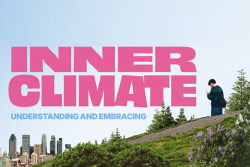
Inner Climate: Understanding and Embracing Our Eco-Emotions
A web series on climate change
Secondary
Description
Inner Climate: Understanding and Embracing Our Eco-Emotions is an excellent resource that helps teachers explore the emotional impacts of climate change with students. Through a four-episode web series, exploring anxiety, empathy, anger and solastalgia, students follow a group of young people as they work to understand and navigate the complex emotions that climate change can provoke. The series emphasizes that eco-anxiety and other climate-related emotions are normal and understandable responses to environmental challenges, and demonstrates how conversation, mutual support, and expert guidance can help young people process these feelings in healthy and constructive ways while building the skills to better navigate their eco-emotions.
Each episode of the series is under ten minutes and brings students into the heart of conversations between Olivia, Liam, Maude, Rami, and Nadia. Through their texts and voice message, brought to life as multimedia collages, students explore how the characters experience and express their climate emotions. Their conversations are further enriched with expert insights and advice.
To extend learning, the resource also provides a companion activity kit with classroom-ready activities that encourage reflection and deepen students’ understanding of eco-emotions and the broader impacts of climate change on individuals and communities.
General Assessment
Strengths
- The topic is highly relevant and current, connecting climate change to real-world issues
- The use of a web series with relatable characters makes it engaging
- The accompanying learning kit provides activities to support the videos and explore emotions linked to climate change.
- Teachers can select and adapt activities to best meet the needs, interests, and learning levels of their students.
- The resource provides a list of organizations to help students take action
- The resource provides a list of podcasts, documentaries and videos to deepen understanding and extend the learning beyond the classroom
Recommendation of how and where to use it
This resource encourages conversations about climate change by highlighting an often-overlooked dimension—its impact on mental health. It can be connected to curriculum areas such as science, language arts, and social studies, and extended into discussions about coping strategies and constructive ways to respond to climate change. By watching short episodes, students follow characters experiencing eco-emotions such as anxiety, anger, and empathy, which can spark meaningful discussion about their own feelings and experiences. Teachers can use the series as a starting point for guided conversations and reflective writing, helping students build emotional literacy while also developing critical thinking skills.
To extend the learning, students can participate in climate action by volunteering with environmental organizations, advocating for policy changes, or adopting sustainable lifestyle choices. They can also prioritize self-care practices such as exercising, practicing mindfulness, and spending time in nature.
Relevant Curriculum Units
The following tool will allow you to explore the relevant curriculum matches for this resource. To start, select a province listed below.
- Step 1Select a province
- Alberta
- Step 2Select a grade level
- Grade 9
- Step 3Select a subject
- English/Language Arts
- Step 4Relevant matches
- Explore thoughts, ideas, feelings and experiences.
- Health & Career Planning
- Step 4Relevant matches
- Health and Life Skills: Wellness Choices
- Grade 10
- Step 3Select a subject
- English/Language Arts
- Step 4Relevant matches
- Explore thoughts, ideas,feelings and experiences
- Grade 11
- Step 3Select a subject
- English/Language Arts
- Step 4Relevant matches
- English 20: Explore thoughts, ideas, feelings and experiences
- British Columbia
- Step 2Select a grade level
- Grade 9
- Step 3Select a subject
- English/Language Arts
- Step 4Relevant matches
- Exploring stories and other texts helps us understand ourselves and make connections to others and to the world.
- Grade 10
- Step 3Select a subject
- English/Language Arts
- Step 4Relevant matches
- New Media 10: The exploration of text and story deepens our understanding of diverse, complex ideas about identity, others, and the world.
- Grade 11
- Step 3Select a subject
- English/Language Arts
- Step 4Relevant matches
- New Media 11: People understand text differently depending on their worldviews and perspectives.
- Science
- Step 4Relevant matches
- Science for Citizenship 11: Scientific understanding enables humans to respond and adapt to changes locally and globally
- Grade 12
- Step 3Select a subject
- Science
- Step 4Relevant matches
- Specialized Science 12: Climate change impacts biodiversity and ecosystem health
- Manitoba
- Step 2Select a grade level
- Grade 9
- Step 3Select a subject
- English/Language Arts
- Step 4Relevant matches
- Explore thoughts, ideas, feelings, and experiences
- Grade 10
- Step 3Select a subject
- English/Language Arts
- Step 4Relevant matches
- Explore thoughts, ideas, feelings, and experiences
- Grade 11
- Step 3Select a subject
- English/Language Arts
- Step 4Relevant matches
- Explore thoughts, ideas, feelings, and experiences
- Grade 12
- Step 3Select a subject
- English/Language Arts
- Step 4Relevant matches
- Explore thoughts, ideas, feelings, and experiences
- Social Studies
- Step 4Relevant matches
- Citizenship and Sustainability: Area of Inquiry: Environment
- Global Issues
- New Brunswick
- Step 2Select a grade level
- Grade 9
- Step 3Select a subject
- Health & Career Planning
- Step 4Relevant matches
- Personal Wellness Wellness
- Personal Wellness : Mental Fitness
- Grade 11
- Step 3Select a subject
- Health Education
- Step 4Relevant matches
- Health Care 110: health and Wellness
- Newfoundland & Labrador
- Step 2Select a grade level
- Grade 9
- Step 3Select a subject
- Health Education
- Step 4Relevant matches
- Health: Interpersonal Relationships
- Grade 10
- Step 3Select a subject
- English/Language Arts
- Step 4Relevant matches
- Literacy 1204: Communicate Effectively
- Northwest Territories
- Step 2Select a grade level
- Grade 9
- Step 3Select a subject
- English/Language Arts
- Step 4Relevant matches
- Exploring stories and other texts helps us understand ourselves and make connections to others and to the world.
- Health Education
- Step 4Relevant matches
- Health: Healthy choices influence our physical, emotional, spiritual, and mental well-being
- Grade 10
- Step 3Select a subject
- English/Language Arts
- Step 4Relevant matches
- New Media 10: The exploration of text and story deepens our understanding of diverse, complex ideas about identity, others, and the world.
- Grade 11
- Step 3Select a subject
- English/Language Arts
- Step 4Relevant matches
- New Media 11: People understand text differently depending on their worldviews and perspectives.
- Science
- Step 4Relevant matches
- Science for Citizenship 11: Scientific understanding enables humans to respond and adapt to changes locally and globally
- Grade 12
- Step 3Select a subject
- Science
- Step 4Relevant matches
- Specialized Science 12: Climate change impacts biodiversity and ecosystem health
- Nova Scotia
- Step 2Select a grade level
- Grade 9
- Step 3Select a subject
- Health Education
- Step 4Relevant matches
- Healthy Living 9: Healthy Self
- Grade 11
- Step 3Select a subject
- Health Education
- Step 4Relevant matches
- Life 11:Healthy Behaviours
- Nunavut
- Step 2Select a grade level
- Grade 9
- Step 3Select a subject
- Health Education
- Step 4Relevant matches
- Mental and Emotional Well-Being
- Grade 10
- Step 3Select a subject
- English/Language Arts
- Step 4Relevant matches
- Explore thoughts, ideas, feelings and experiences
- Science
- Step 4Relevant matches
- Experiential Science 10, Terrestial Systems: Climatology and Meteorology
- Grade 11
- Step 3Select a subject
- English/Language Arts
- Step 4Relevant matches
- Explore thoughts, ideas, feelings and experiences
- Grade 12
- Step 3Select a subject
- English/Language Arts
- Step 4Relevant matches
- Explore thoughts, ideas, feelings and experiences
- Environmental Studies
- Step 4Relevant matches
- Environmental Studies 35: Northern Climate
- Environmental Studies 35: Northern Environmental Issues
- Ontario
- Prince Edward Island
- Step 2Select a grade level
- Grade 9
- Step 3Select a subject
- Health Education
- Step 4Relevant matches
- Wellness Choices
- Quebec
- Step 2Select a grade level
- Grade 9
- Step 3Select a subject
- English/Language Arts
- Step 4Relevant matches
- Uses language/talk to communicate and to learn
- Saskatchewan
- Yukon Territory
- Step 2Select a grade level
- Grade 9
- Step 3Select a subject
- English/Language Arts
- Step 4Relevant matches
- Exploring stories and other texts helps us understand ourselves and make connections to others and to the world.
- Grade 10
- Step 3Select a subject
- English/Language Arts
- Step 4Relevant matches
- Literary Studies 10: The exploration of text and story deepens our understanding of diverse, complex ideas about identity, others, and the world.
- Grade 11
- Step 3Select a subject
- English/Language Arts
- Step 4Relevant matches
- New Media 11: The exploration of text and story deepens our understanding of diverse, complex ideas about identity, others, and the world.
- Science
- Step 4Relevant matches
- Science for Citizenship 11: Scientific understanding enables humans to respond and adapt to changes locally and globally
- Grade 12
- Step 3Select a subject
- English/Language Arts
- Step 4Relevant matches
- New Media 12: People understand text differently depending on their worldviews and perspectives
- Science
- Step 4Relevant matches
- Specialized Science 12: Climate change impacts biodiversity and ecosystem health
Themes Addressed
Air, Atmosphere & Climate (1)
- Climate Change
Human Health & Environment (2)
- Health Promotion
- Quality of Life